
Change begins with the ability to imagine alternatives. “We cannot create what we can't imagine”.
Lucille Clifton
Humans are innately creative. Long before we had clinical language for emotion, trauma, or attachment, we used movement, rhythm, storytelling, image-making, and play to regulate, connect, and heal. Creativity is not an add-on to wellness—it is foundational to how humans process experience and make meaning.
Traditional talk therapy alone can unintentionally privilege verbal fluency, cognitive insight, and linear narratives. Arts-based interventions widen access to healing by engaging the body, imagination, nervous system, and relational dynamics. They offer multiple pathways for expression, particularly when words are unavailable, unsafe, or insufficient.
Creative processes:
Support nervous system regulation
Allow symbolic and nonverbal expression
Increase emotional flexibility and agency
Strengthen relational attunement and play
Foster meaning-making and integration
Art-making spaces—when held with intention, consent, and care—are naturally therapeutic. They invite curiosity instead of performance, process instead of product, and connection instead of isolation. These spaces encourage experimentation, risk-taking, and reflection, all of which mirror core therapeutic goals.
At Arts in Counseling, we reject the false divide between “therapy spaces” and “creative spaces.” Healing happens when creativity is honored as a legitimate mode of knowing, relating, and restoring wholeness.
We view creativity as an innate human capacity—part of how minds and bodies keep balance. We honor diverse cultural lineages that treat creativity not just as self-expression, but as a way to restore connection — with self, others, and places. People don’t need to “be artistic” to benefit from creative processes. We need spaces and trusted relationships that are safe, curious, and collaborative. Healing happens here. Within the practice of creative arts therapies, we know that we cannot create and analyze at the same time; they’re different processes. But we must do both - diligently and playfully - to heal and thrive.
In all of your uniqueness, without fear of judgment or discrimination, we invite you to embrace vulnerability and courage as you freely explore possibilities, in your therapy work, to build lasting health and a community at Arts in Counseling.

Values, Approach, Mission

We prioritize practicing through participation in addition to processing.
Healing doesn’t only happen by talking about experiences, but by engaging with them—through ie: art-making, movement, improv, mindfulness and creative expression. Participation invites the body, mind, and spirit into the process, making therapy not just reflective but active. This balance of doing and processing allows insight to grow alongside lived, embodied practice.
We care about healing individuals in ways that strengthen our collective
well-being and communities at large.
We embrace collectivism—the understanding that our liberation, health, and thriving are interconnected - and that our systems significantly influence our health. Our work recognizes that healing happens not only within individuals, but also through relationships, shared spaces, and the collective practices that shape how we live together.
Connection is human nature, cultivating it is our work.
We help clients make small pivots to connect with themselves, and others, differently. We like to help reignite your pilot light when your imagination dims.
Some Reasons to Choose Arts in Counseling
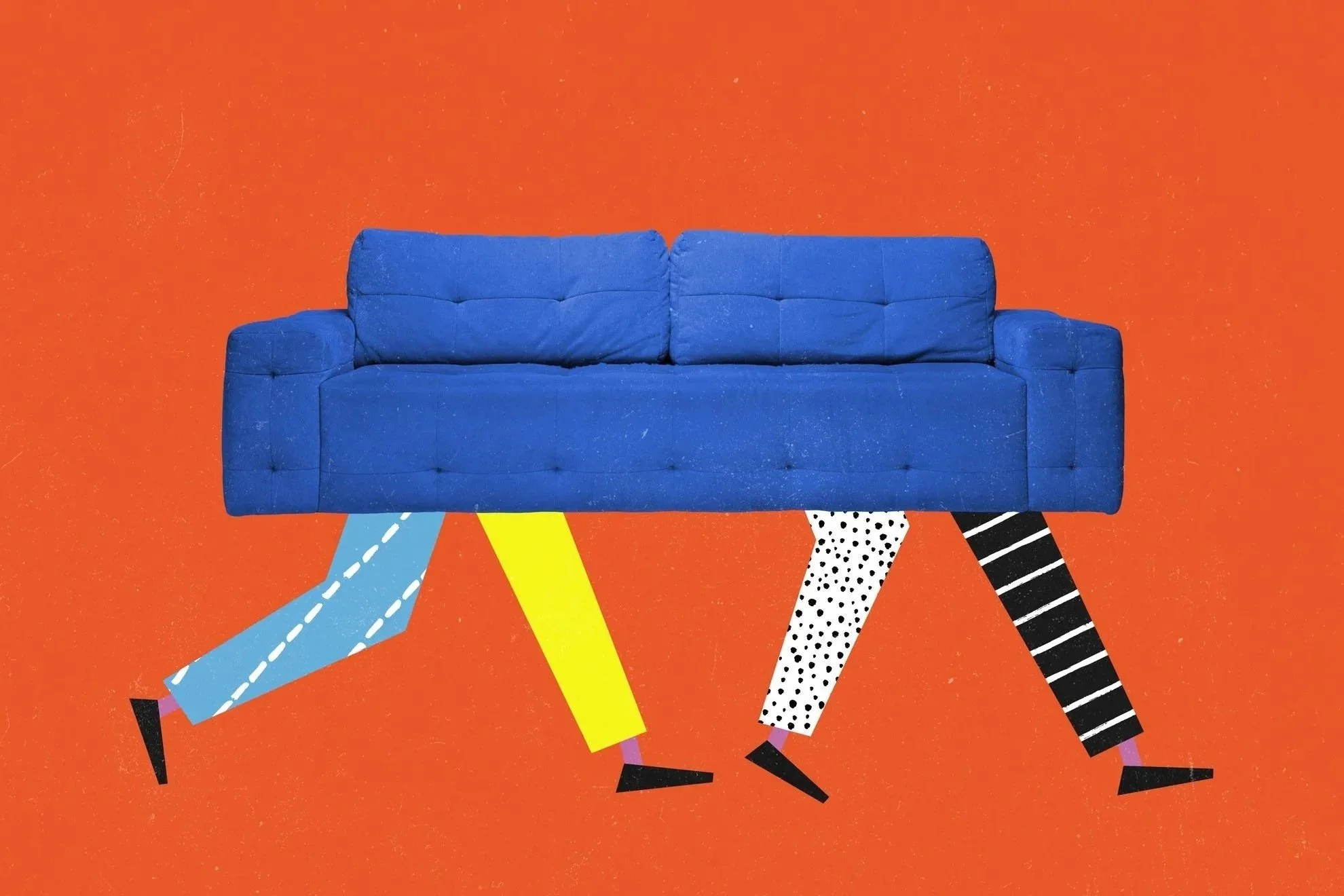
1. Active psychotherapy - less couch, less talk.
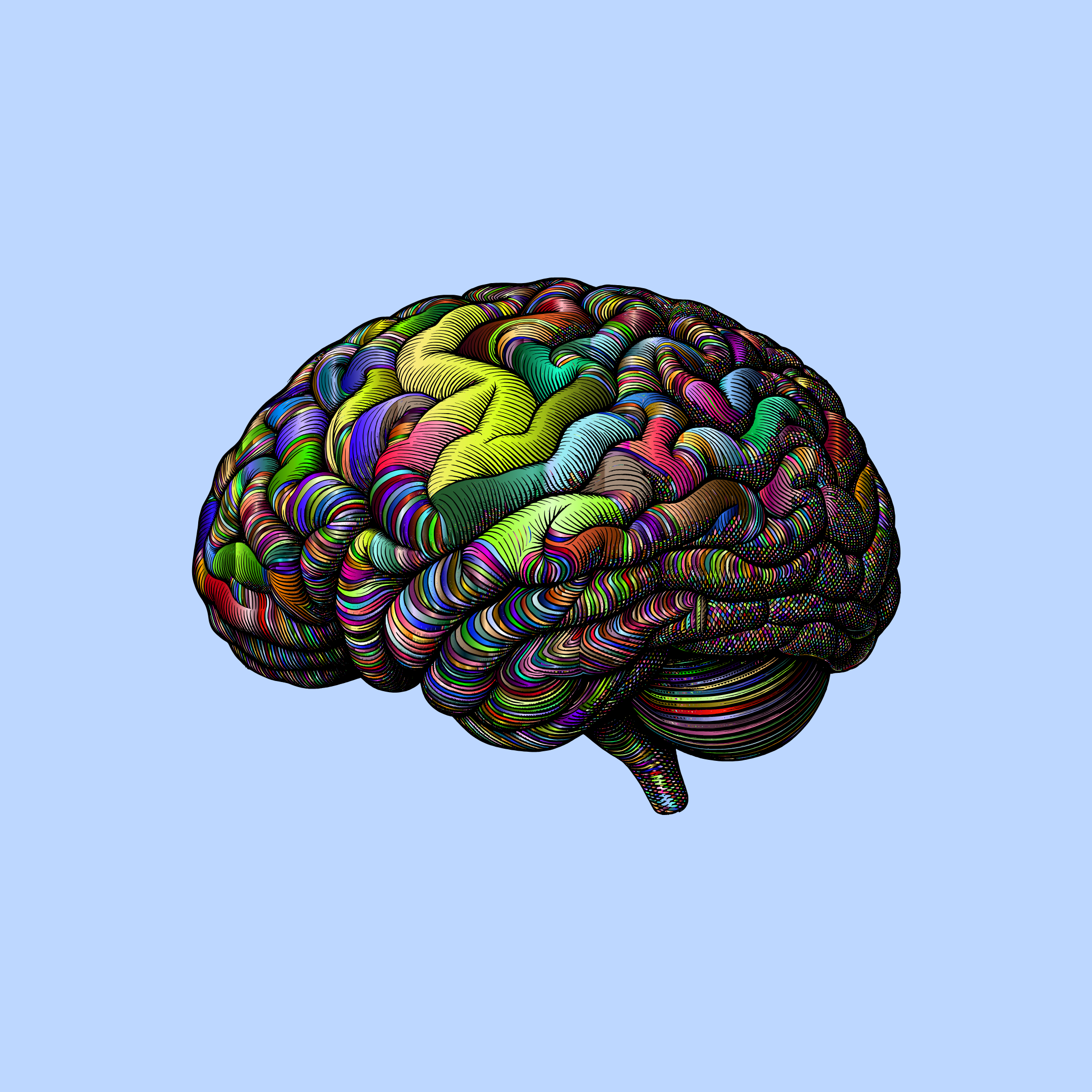
2. Research shows that mental health thrives when our brain’s creative system is fully online.
3. Therapists and artists co-create an easy on-ramp and roadmap for you, offering a variety of care options.
